AFAS Blog

Blog

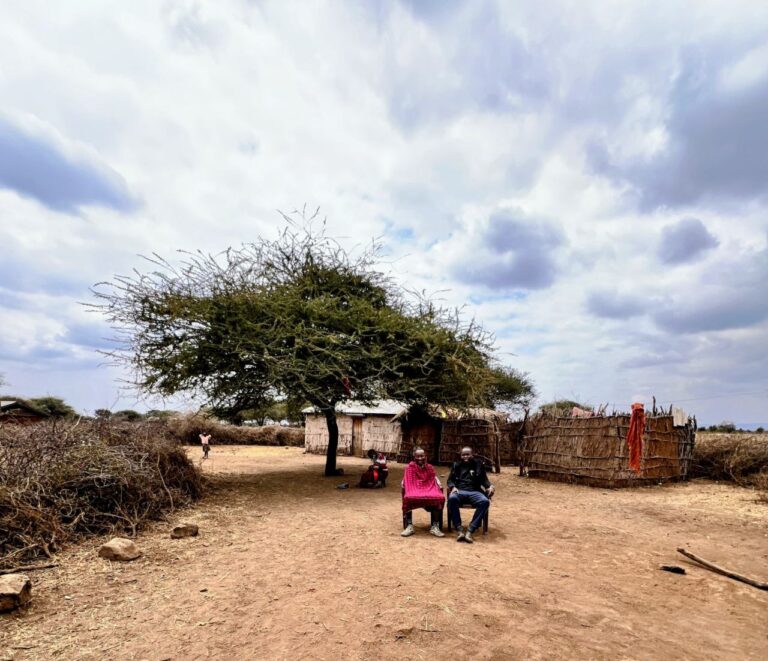
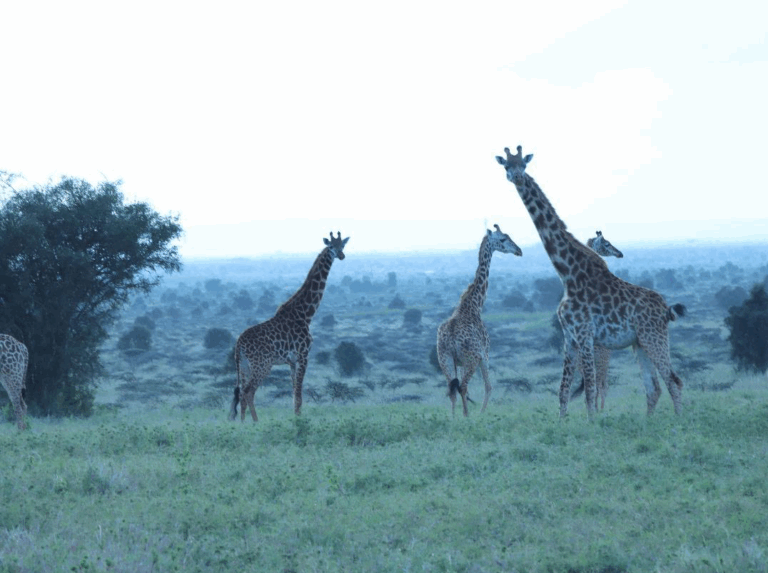
When Elders Govern Grass: Indigenous Adaptation in the Amboseli Ecosystem, Kenya

Climate change constitutes one of the most pressing global challenges of our time. Its impacts fall disproportionately upon indigenous communities who have contributed least to its causes yet possess generations of adaptive knowledge (Dorji et al., 2024). Across Africa, dryland ecosystems cover 40% of the continent’s landmass and support nearly 50% of its population, making pastoral communities particularly vulnerable to climate variabilities (FAO, 2018). This blog draws on insights from my AFAS-funded fieldwork to examine how Indigenous Knowledge systems shape adaptation strategies among Maasai pastoralists in the Kitenden-Amboseli ecosystem, focusing on indigenous grass reserves as a Nature-based Solution for climate adaptation.

Read More »
Blog

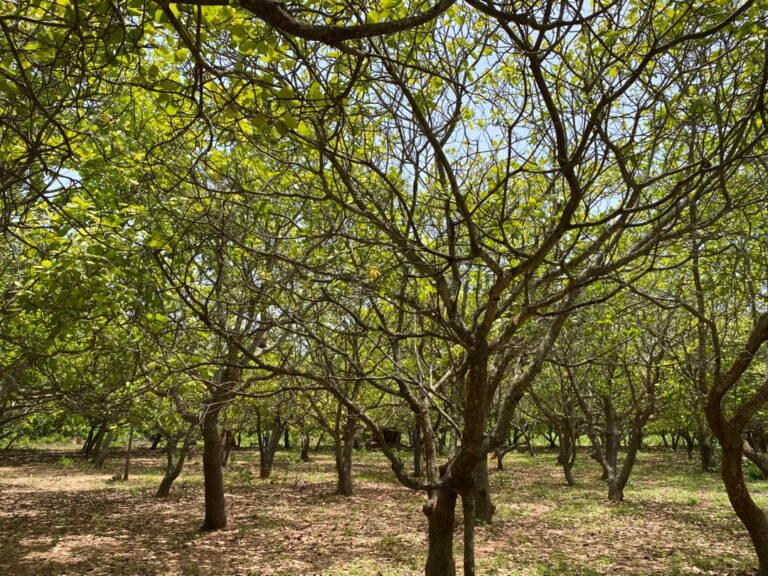
From Restoration Goal to Socioeconomic Prominence: Sustainability Lessons from Cashew Expansion in Northern Côte d’Ivoire Savannas

When I arrived in Korhogo, northern Côte d’Ivoire, for my master’s fieldwork under the African Climate and Environment Center – Future African Savannas Programme (AFAS), I expected to study agroforestry diversity in typical savanna landscapes. In Côte d’Ivoire, Korhogo is considered one of the pioneering regions of agroforestry, a Nature-based Solution that integrates trees and crops on the same land to enhance biodiversity, improve soils, and strengthen resilience.

Read More »
Blog

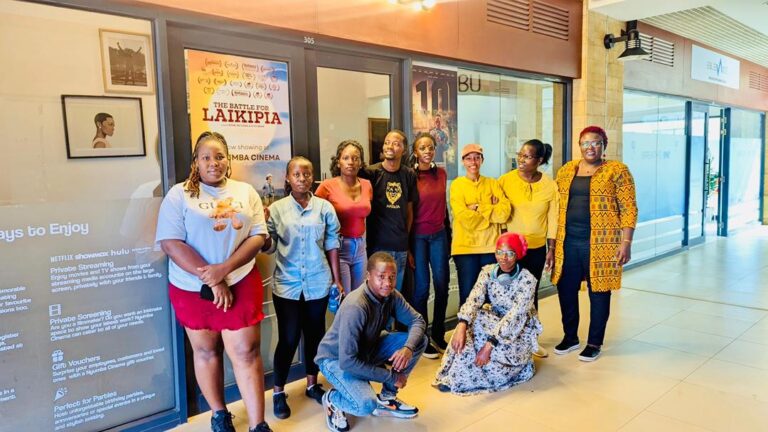
Resource Conflicts in a Changing Climate: A Reflective Blog on the Battle for Laikipia

The Battle for Laikipia is a documentary film set in Laikipia County, Kenya. It highlights the complexities of land conflicts between indigenous pastoralist communities such as the Samburu and large-scale landowners that include ranchers and conservancies. Both parties have competing claims on land resources and clashing ethnic claims of place identity, all exacerbated by frequent climatic extremes such as the 2017 drought that was experienced in the area and political tensions that arose in the same election year.

Read More »
Blog

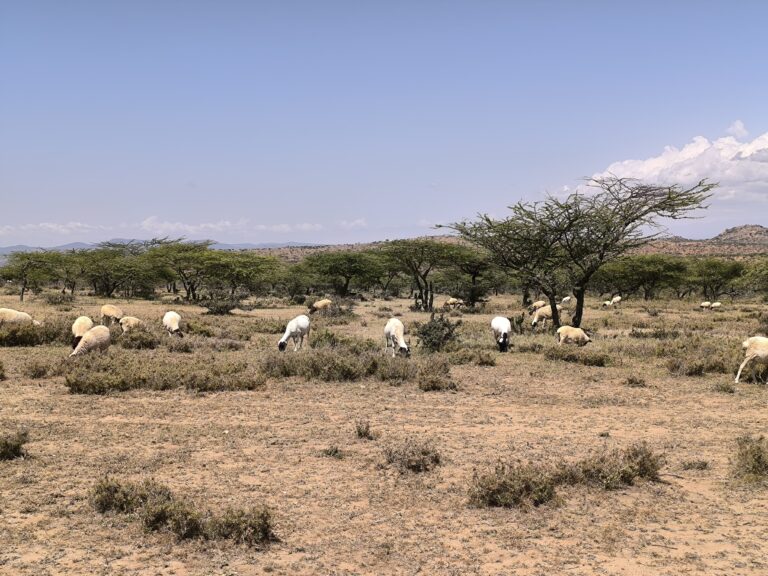
Reimagining African Conservation Through the Science-Policy-Practice Interface. A wake-up call.

Protected areas, often described as sanctuaries for biodiversity, are central pillars for global biodiversity conservation. The International Union for Conservation of Nature (IUCN) defines them as clearly defined geographical spaces, recognized, dedicated, and managed through legal or other effective means, to achieve the long-term conservation of nature with associated ecosystem services and cultural values (Dudley, 2008, p8).

Read More »
Blog

Annual Bush Fire as a Management Tool for Humid Savannas: The Case of Lamto Scientific Reserve in Côte d’Ivoire

As part of our academic journey under the African Climate and Environment Center-Future African Savannas (AFAS) program, we embarked on a pivotal excursion to the Lamto Scientific Reserve in Côte d’Ivoire. But why Lamto? Known as a “living laboratory”, the Lamto Scientific Reserve has played a crucial role in ecological research, offering unique insights into climate dynamics and ecosystem interactions in a rapidly changing environment. This excursion was not just about observation; it was an opportunity to connect theoretical knowledge with real-world ecosystems, reinforcing our commitment to evidence-based climate action, conservation, and sustainable development across Africa’s savannas.

Read More »