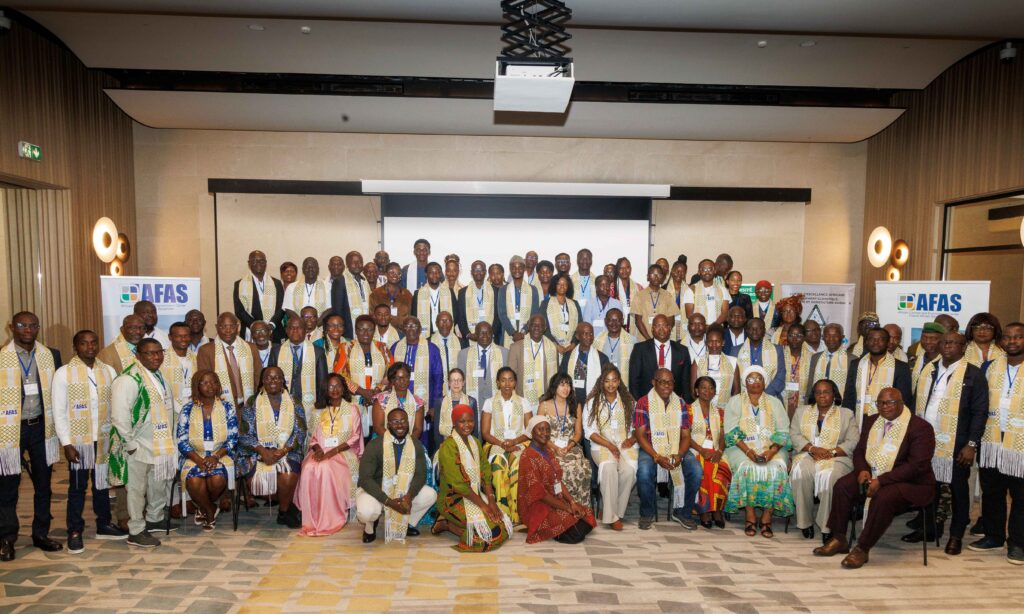
From 24–28 November 2025, AFAS convened a multi-day stakeholder workshop in Abidjan, Côte d’Ivoire, under the theme “Scaling Nature-Based Solutions (NbS) for Resilient Savannas: Integrating Indigenous and Local Knowledge, Research, and Policy.”The workshops brought together a diverse group of participants—students, alumni, researchers, policymakers, private sector actors, NGOs, and indigenous knowledge holders—to strengthen collaboration and chart the future of Nature based Solutions (NbS) across African savannas.
Day 1: Strengthening Partnerships and Reflecting on Progress
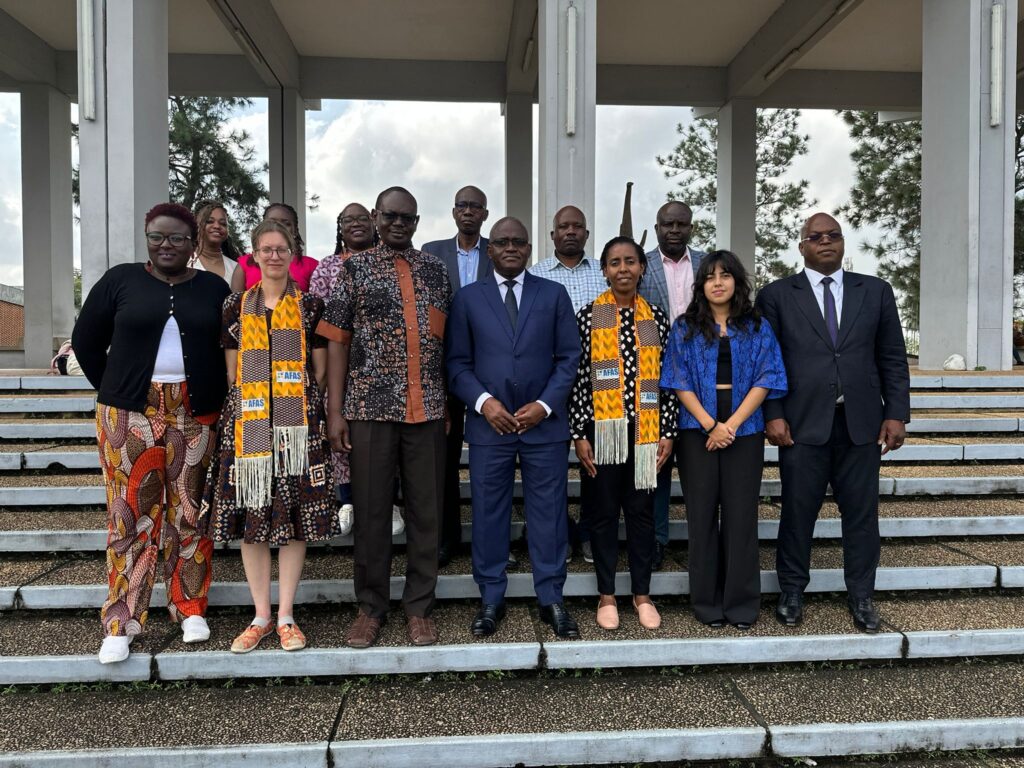
The workshop opened at Université Félix Houphouët-Boigny (UFHB) with a partner engagement meeting between AFAS and university leadership. Discussions highlighted the programme’s achievements under Phase I (2020–2025), including student training and regional stakeholder engagement, as well as its focus on climate adaptation and biodiversity conservation.
A key moment was the announcement of AFAS Phase II (2026–2030), which will expand training opportunities across East and West Africa. Conversations also emphasized the long-term sustainability of the Master’s programme, with UFHB expressing commitment to supporting its continuation beyond current funding.
The afternoon featured short student research presentations, followed by interactive feedback sessions that underscored the programme’s academic depth and practical relevance.
Day 2: Celebrating Achievement and Planning Ahead
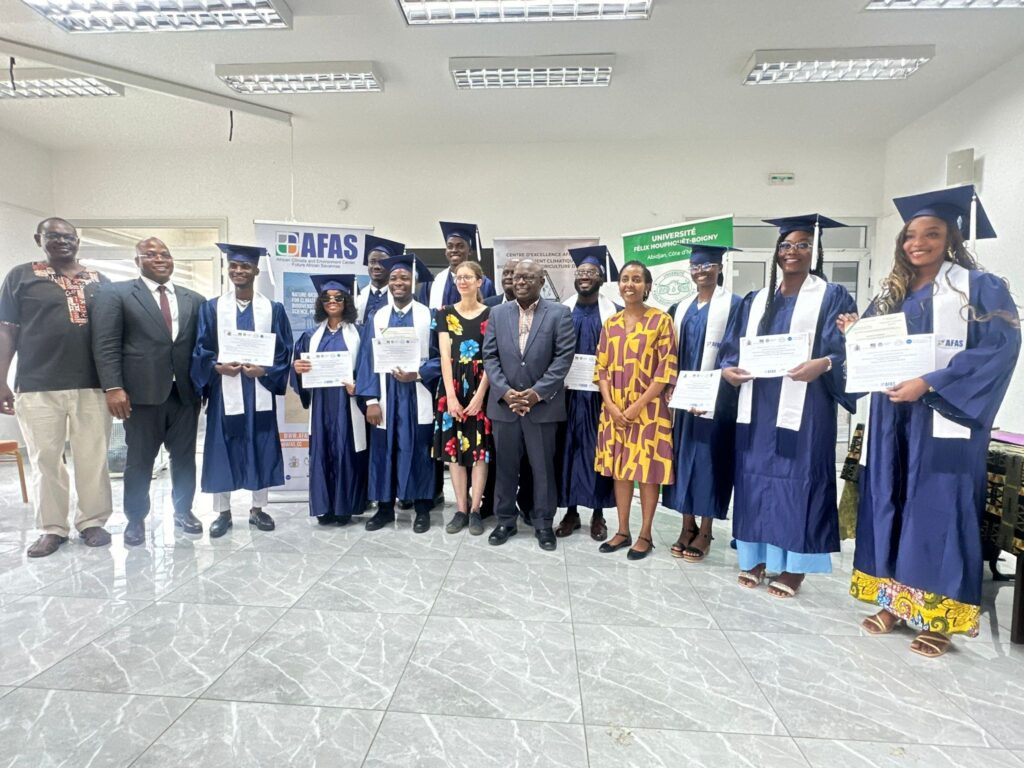
The second day marked a significant milestone with a graduation ceremony honoring AFAS Master’s students. Held at WASCAL/CEA-CCBAD, Scientific and innovation Pole of UFHB at Bingerville, the event celebrated academic achievement and the strength of the AFAS partnership. Nine Graduands received their certificates in a ceremony attended by university leadership and AFAS representatives, followed by a commemorative group photograph.
Beyond the formal proceedings, the day also captured the human side of the programme. Graduates shared personal reflections and experiences through recorded testimonials, contributing to the growing narrative of AFAS’ impact across the continent.
In the afternoon, attention returned to academic exchange with the conclusion of student presentations. This was followed by an internal workshop planning session, where participants refined objectives, established working groups, and mapped out the structure for the days ahead. This preparatory work laid the foundation for deeper dialogue and collaboration in the subsequent sessions.
AFAS staff and UFHB partners at the Université Félix Houphouët-Boigny engagement meeting
AFAS Master’s graduation ceremony at WASCAL/CEA-CCBAD
Day 3 – 26 November 2025: Main Stakeholder Workshop
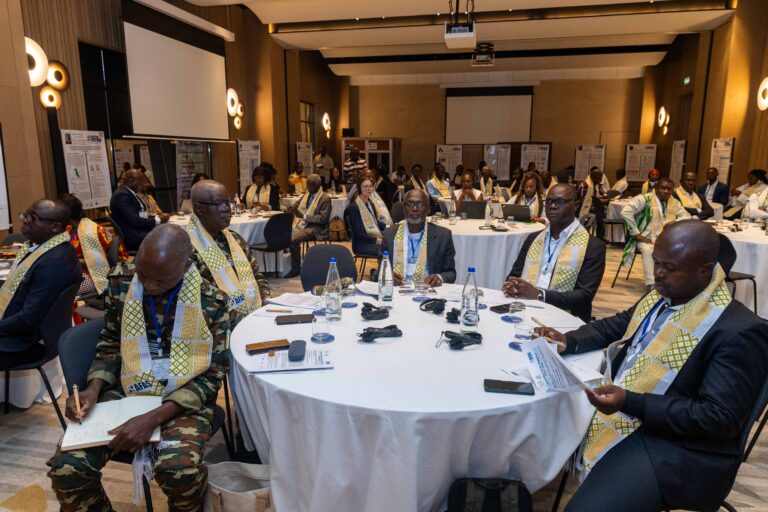
Day three marked the core of the week—the main stakeholder workshop—bringing together partners, policymakers, researchers, and community representatives. This activity took place at the Novotel Hotel, Marcory (Abidjan). Opening remarks from AFAS leadership and partner institutions underscored the importance of collaboration in advancing Nature-based Solutions (NbS) across African savannas.
The morning sessions focused on reflection and forward planning. Presentations highlighted key achievements from AFAS Phase I, including student research outputs and stakeholder engagement, while also outlining priorities for Phase II (2026–2030). A keynote discussion explored the evolution, challenges, and potential of NbS, setting the stage for deeper dialogue.
A standout moment was a PhD presentation on ecological approaches to improving agriculture in savanna systems, illustrating the practical impact of AFAS-supported research.
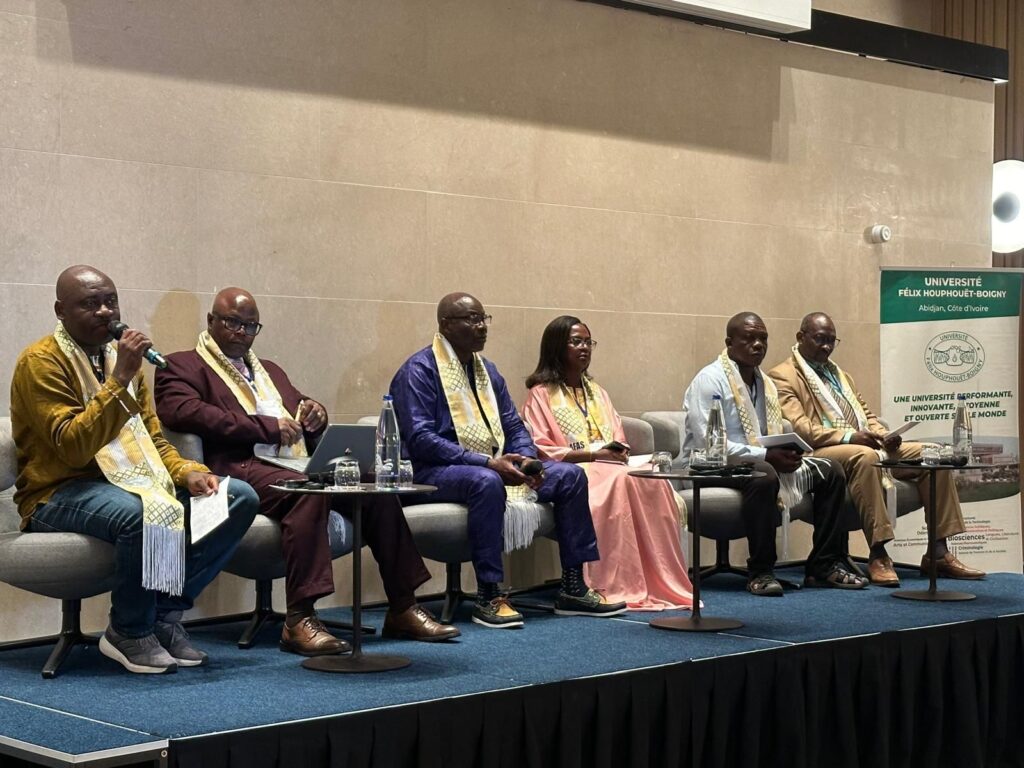
The day’s highlight was a dynamic panel discussion on integrating indigenous knowledge with scientific innovation. Speakers from policy, practice, and community backgrounds emphasized the need for trust, co-creation, and stronger linkages between local knowledge systems and formal research to ensure sustainable and context-relevant solutions.
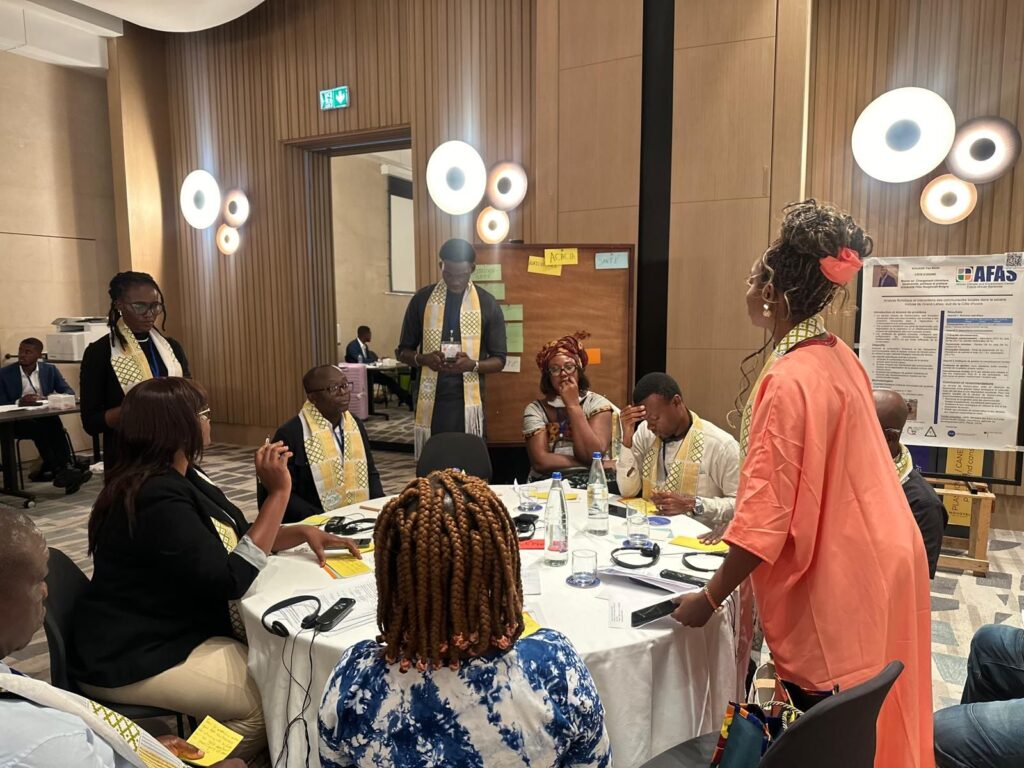
In the afternoon, participants engaged in a collaborative research co-creation session. Working in thematic groups—including water, energy, health, biodiversity, and agriculture—stakeholders identified key research gaps and developed priorities for Phase II. The session concluded with group presentations and reflections, reinforcing a shared commitment to interdisciplinary, Africa-centered solutions.
Day 4: Capacity Strengthening and Programme Development
Day four of the Knowledge Exchange Week focused on parallel capacity-building and programme development activities, further advancing AFAS’ long-term objectives.
A key session, the Curriculum and Capacity Sustainability Lab, brought together AFAS staff for an intensive working discussion on the development of the Phase II curriculum. The session focused on strengthening the academic structure, refining training components, and enhancing operational frameworks to ensure an effective and sustainable rollout for the 2026–2030 phase.
At the same time, students took part in a Policy Brief Writing Boot Camp under the theme “Translating Research into Actionable Policy.” This practical session guided participants on how to structure policy briefs, connect scientific evidence to policy priorities, and communicate research in a clear, accessible, and compelling way for decision-makers.
Overall, the day strengthened both academic and practical capacities—equipping students with essential policy communication skills while advancing strategic planning for the next phase of the AFAS programme.
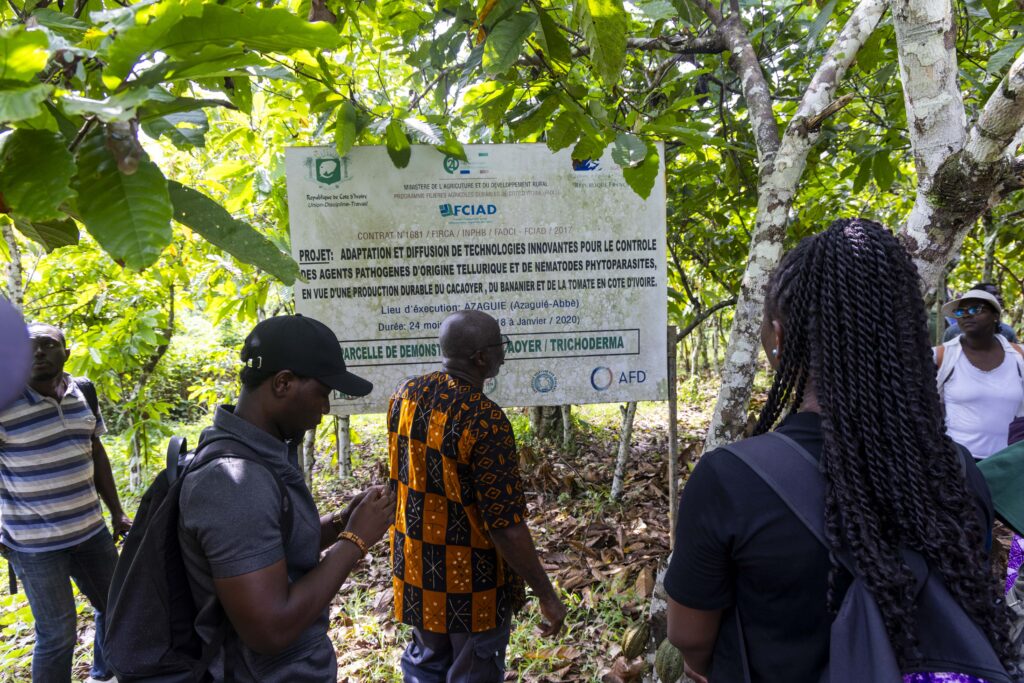
The final day of the Knowledge Exchange Week was dedicated to hands-on field learning, offering participants direct exposure to Nature-based Solutions and sustainable land-use practices in action.
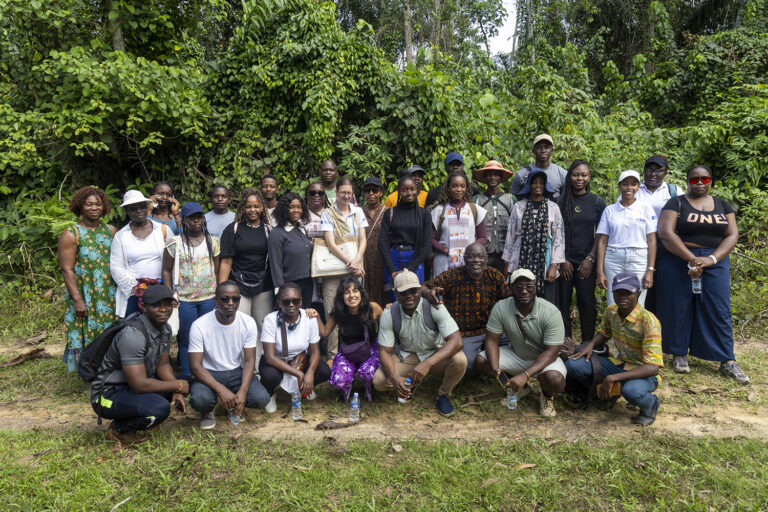
The first visit took the AFAS team to the plantation of Mr. N’Koh Ambroise, where they explored agroforestry and climate-smart agriculture practices. The session highlighted integrated farming systems, composting techniques, organic soil improvement, and climate-resilient production methods—demonstrating how indigenous knowledge and scientific approaches can work together to restore soils, enhance productivity, and support local livelihoods.
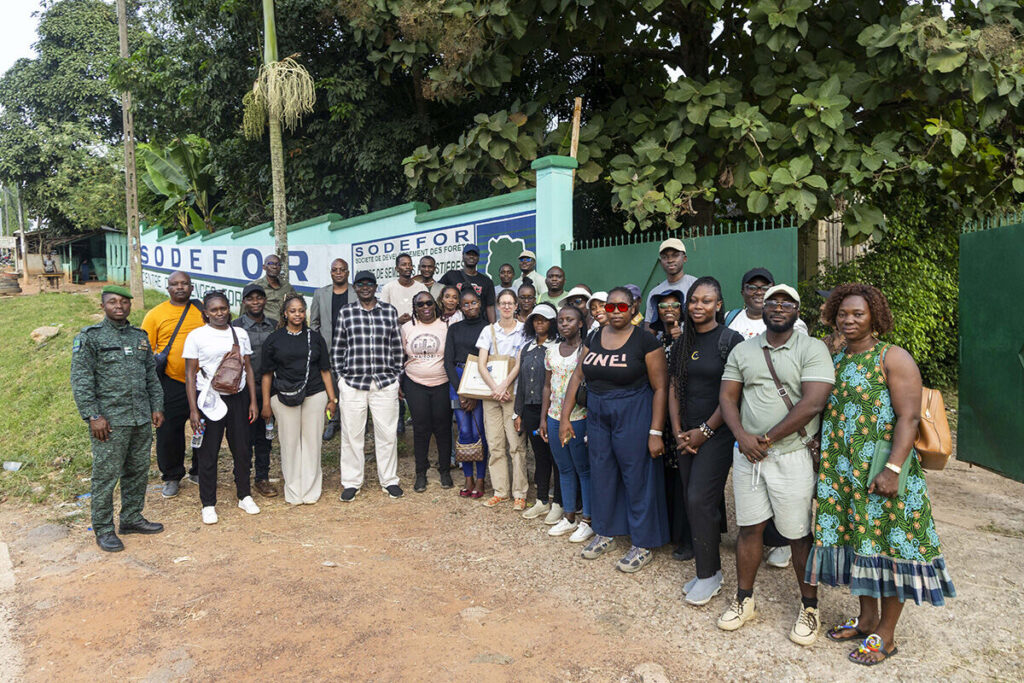
The second visit was to the SODEFOR seed bank and nursery, where participants gained insight into seed conservation and forest restoration processes. Activities included observing seed collection, storage, propagation, and nursery management, all of which play a crucial role in reforestation and biodiversity conservation. The visit underscored the importance of preserving genetic resources for climate adaptation and ecosystem resilience.
This final day provided valuable experiential learning, reinforcing the week’s key themes through practical engagement, knowledge exchange, and real-world application—bringing the AFAS Knowledge Exchange Week to a meaningful close.