AFAS Knowledge Exchange, Engagement & Dissemination Week 2025: Strengthening Collaborative Research in Nairobi

October 13, 2025 - October 17, 2025 Nairobi Kenya

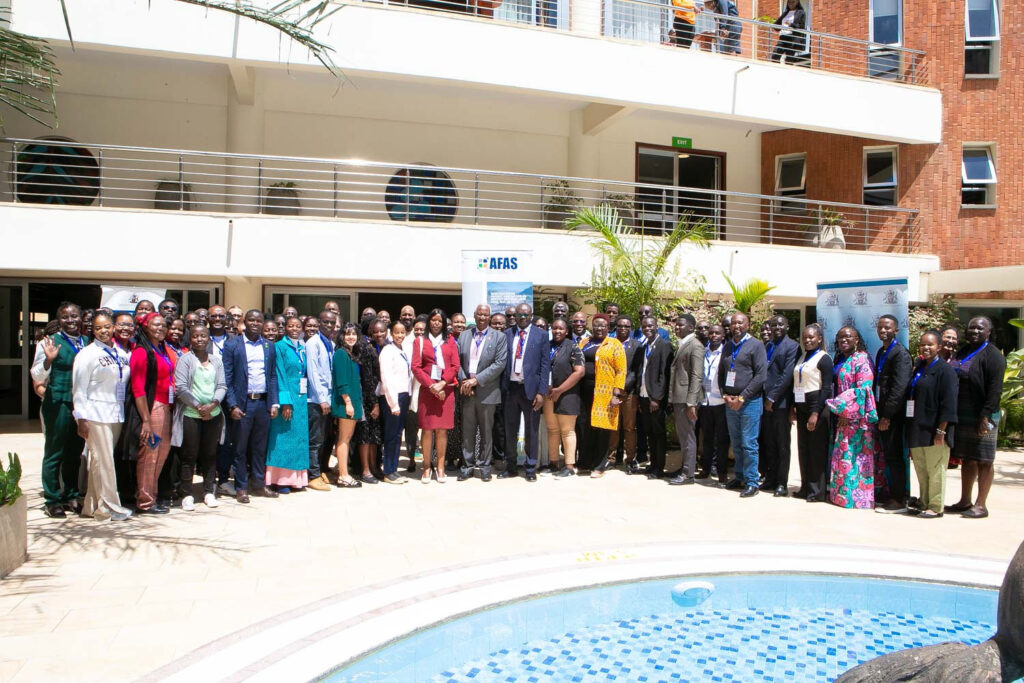
AFAS fellows and staff, along with partners and stakeholders, at the Nairobi workshop, October 2025. © Steve Warui Photography

The AFAS Knowledge Exchange, Engagement & Dissemination week took place in Nairobi, Kenya, from 13–17 October 2025. During this week, the AFAS team from the University of Cologne, the University of Bonn, and Université Félix Houphouët-Boigny convened at the University of Nairobi (UoN). The event provided an exciting platform for knowledge exchange, collaboration, and engagement among partners, fellows, and stakeholders.

Day 1 – 13 October 2025

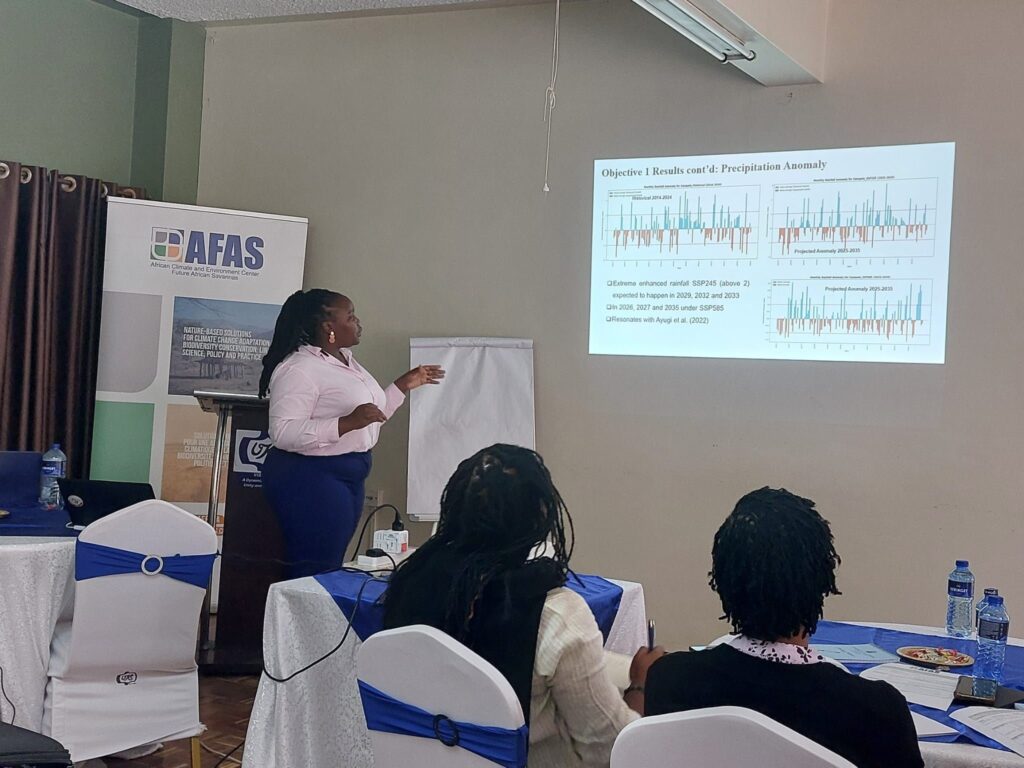
The first day began with an introductory session setting the stage for the programme’s activities. This was followed by AFAS Student Lightning Talks, where ten students delivered five-minute presentations highlighting their research projects. The session concluded with a lively Q&A, offering students a unique opportunity to receive in-person feedback from the broader AFAS team — beyond their local supervisors and coordinators — on their research work.

In the afternoon, activities continued through two parallel sessions. One focused on video testimonials where the AFAS staff conducted short interviews with the UoN students and the other session was centred on curriculum updates, participant feedback, and agenda-setting in preparation for upcoming stakeholder visits.

Day 2 - 14 October 2025

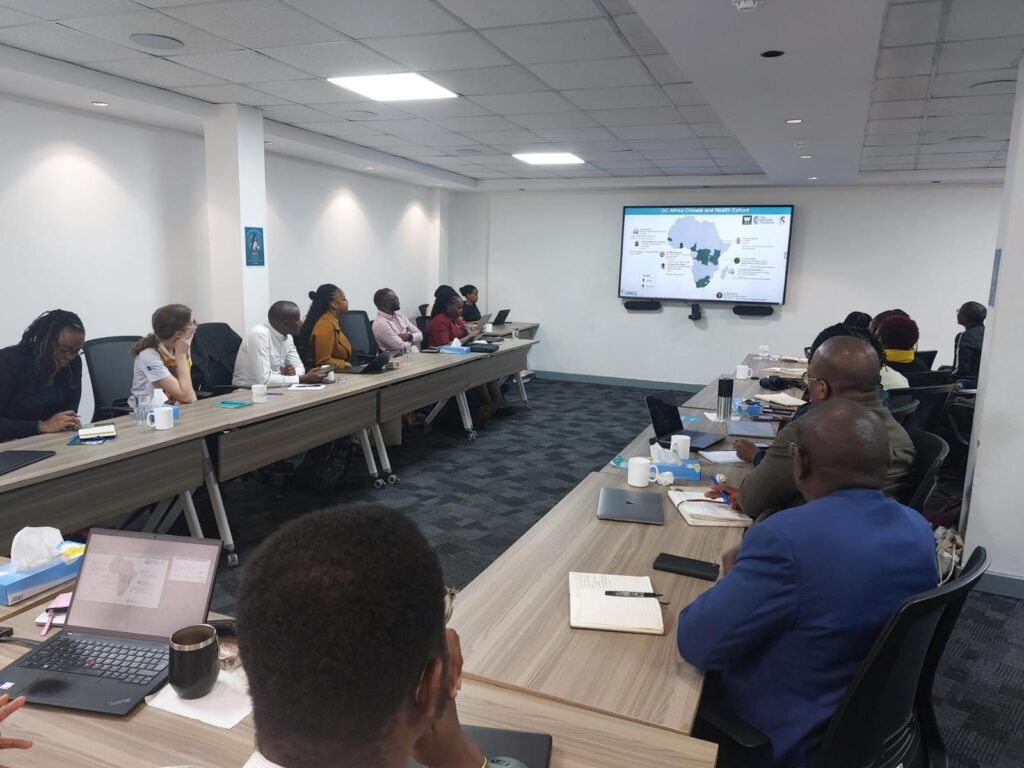
Day two began with a morning visit to the Science for Africa Foundation (SFA) in Nairobi, where AFAS team members and students met with the SFA leadership. The session featured an overview of SFA’s mission, thematic focus areas—Health, Climate and Environment, and Agriculture—and its funding and delivery models, with discussions highlighting opportunities for collaboration and alignment with AFAS research. Key conversations focused on translating science into impact, student support, entrepreneurship, and prospects for long-term partnership between AFAS and SFA.

In the afternoon, the team took part in a brainstorming session on Nature-based Solutions (NbS). Working in groups, they identified research and implementation gaps, developed pilot ideas, and mapped potential partnerships to help shape the priorities and focus areas of AFAS Phase 2.

An AFAS student delivers her research presentation, part of the student lightning talks
AFAS staff and students at the Science for Africa Foundation in Nairobi

Day 3 – 15 October 2025: Main Stakeholder Workshop

Day three marked the official AFAS Stakeholder Workshop and the central highlight of the Knowledge Exchange, Engagement, and Dissemination Week. The workshop took place on 15 October 2025 at the Mövenpick Hotel in Nairobi under the theme “Integrating Indigenous and Local Knowledge, Research and Policy.”

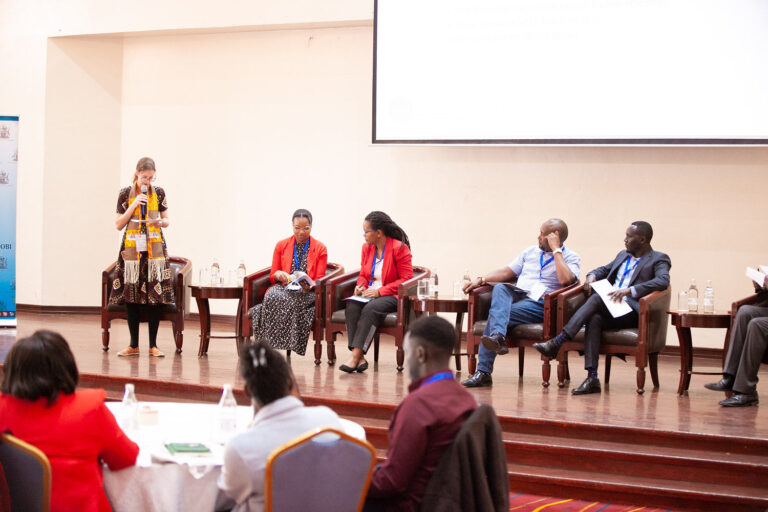
Panel discussion on 'The integration of indigenous knowledge and scientific innovation'. © Steve Warui Photography

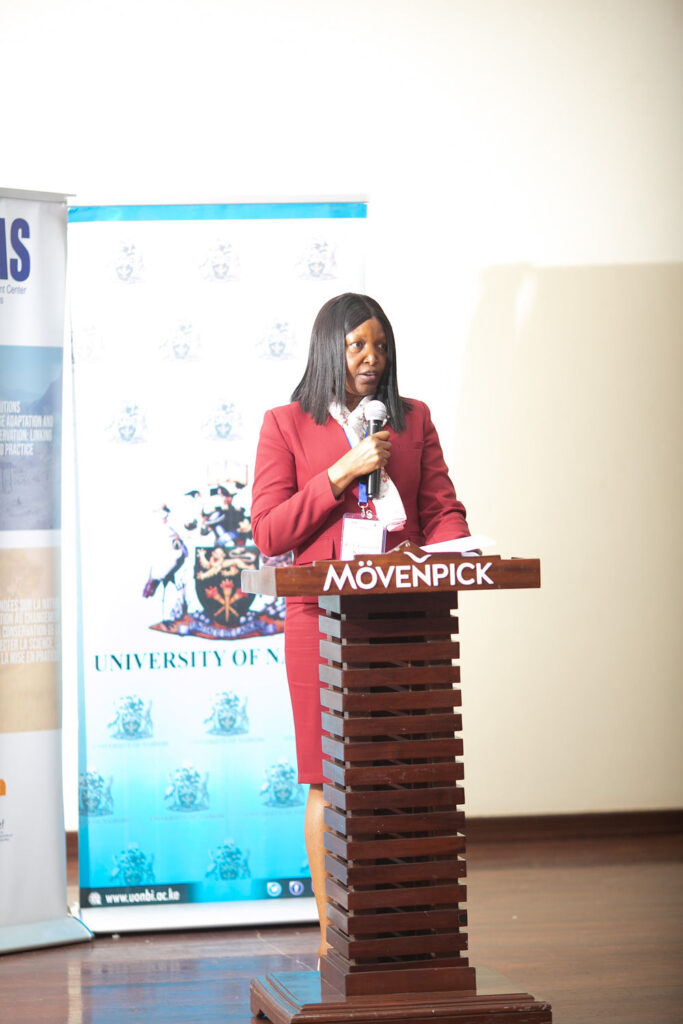
The workshop was officially opened by the University of Nairobi Ag. Vice Chancellor, Prof. Margaret Hutchinson (represented by Prof. Thomas Ochuku). She commended the AFAS programme for bridging science, policy, and practice through interdisciplinary research and climate adaptation initiatives. Prof. Leonidah Kerubo, Dean of the Faculty of Science and Technology, urged researchers to translate these outputs into practical, policy-relevant innovations.

Since its launch in 2021, AFAS has made significant progress in strengthening climate research and capacity development in Africa. Key achievements include:

  • Implementing 40+ interdisciplinary projects, including PhD and postdoctoral research.
  • Producing diverse peer-reviewed publications and policy briefs.
  • Training a new generation of African scholars focused on biodiversity conservation and climate change adaptation.
  • Strong stakeholder engagement through workshops, conferences, and policy dialogues.
Prof. Leonidah Kerubo, Dean of the Faculty of Science and Technology (UoN). © Steve Warui Photography
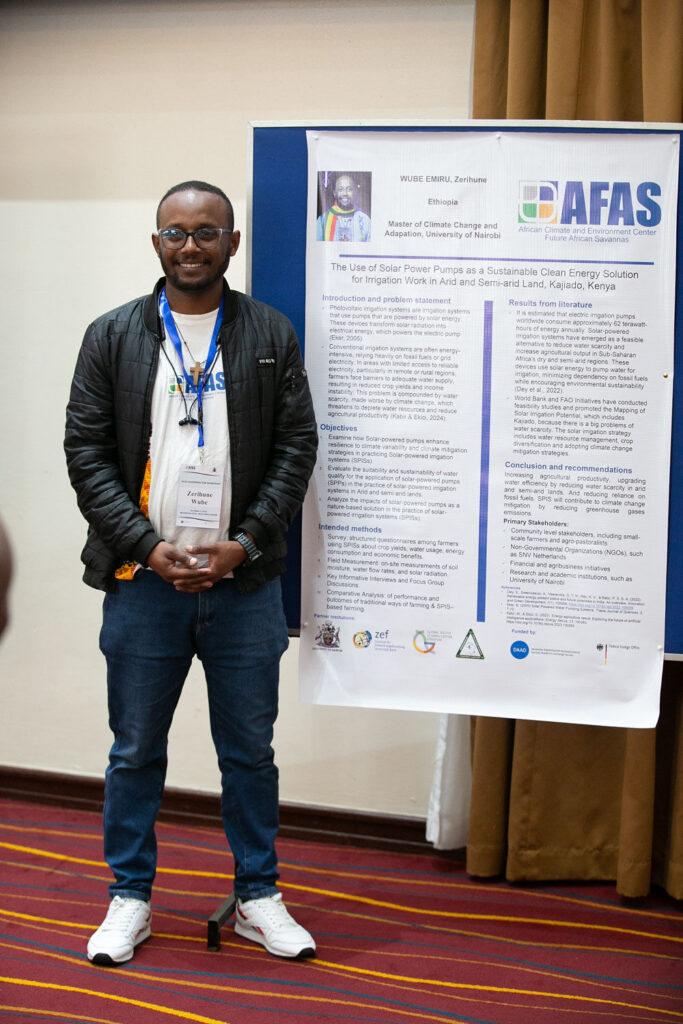
An AFAS student showcases his research poster. © Steve Warui Photography

In the opening remarks, representatives from the University of Nairobi highlighted AFAS’s achievements in advancing research, education, and international collaboration on climate change and biodiversity through Nature-based Solutions. Speakers emphasized the importance of translating research into practical innovations and engaging savanna ecosystems research to inform food security, conservation, and policy development.

Keynote presentations provided both reflection and forward-looking perspectives. Professor Dan Olago presented an overview of AFAS Phase 1 achievements, while Professor N’golo Koné outlined the vision for AFAS Phase 2, focusing on sustainability beyond 2030. Dr. Nelly Masayi, a former AFAS post-doctoral fellow, delivered a keynote on Nature-based Solutions in Turkana County, showcasing community-focused interventions addressing climate change impacts and strengthening resilience. Her presentation not only showcased impactful community-based work but also served as a powerful success story, demonstrating to stakeholders how AFAS has supported career development and opened new professional opportunities.

A panel discussion moderated by Dr. Gerda Kuiper explored the integration of indigenous knowledge and scientific innovation, highlighting traditional fire management, community-led conservation, indigenous water management practices, and traditional early warning systems.

The afternoon sessions focused on collaboration and future planning. A Research Theme Co-Creation session, moderated by Dr. Juliet Kamau, brought together stakeholders and AFAS teams to jointly develop research questions and themes across key Nature-based Solutions areas—including water, energy, health, agriculture, and biodiversity—for AFAS Phase 2.

The day concluded with closing reflections from AFAS student Thomas Alhassan and Mr. John Linus from the UNESCO Youth Forum, who expressed appreciation for the rich discussions and collaborative spirit of the workshop.
Day 4 – 16 October 2025

Day four focused on capacity building and skills development. The morning session featured a Policy Brief Bootcamp led by our AFAS staff, where students and alumni were trained on writing clear, concise policy briefs that translate research findings into accessible messages for policymakers. Participants received feedback on their drafts, discussed their work with peers, and exchanged ideas through peer review.

In the afternoon, we had a Research to Publication workshop, which covered key aspects of academic publishing, including structuring research, conducting effective literature reviews, and navigating academic databases.

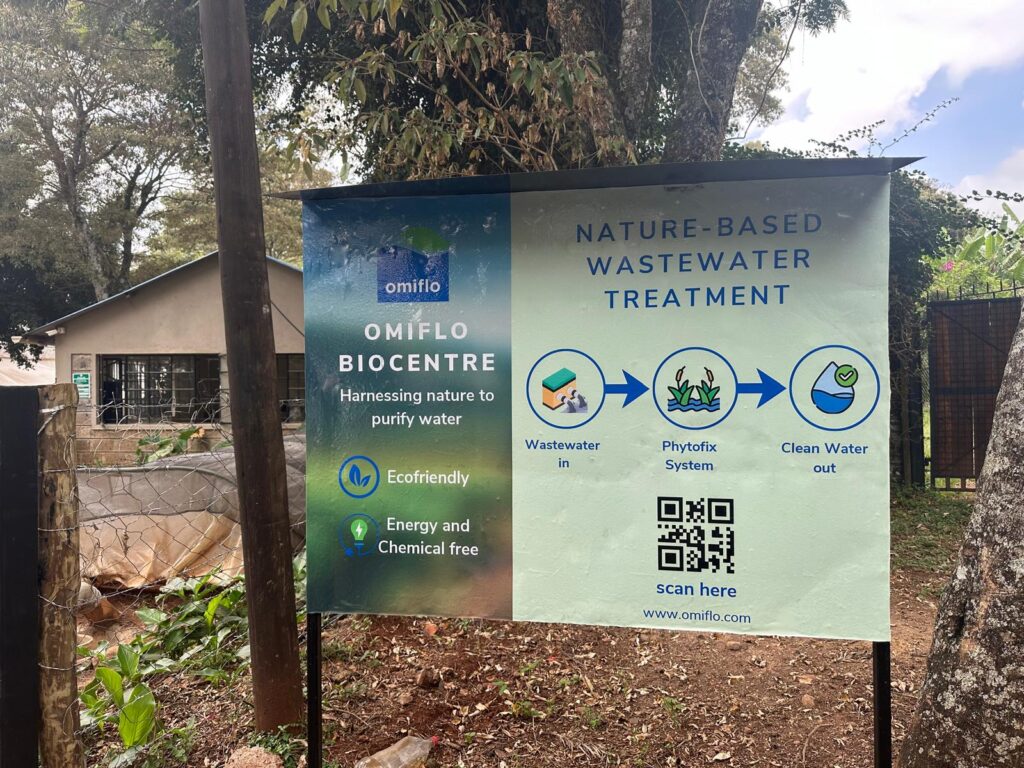
Omiflo Biocenter, Nairobi, Kenya
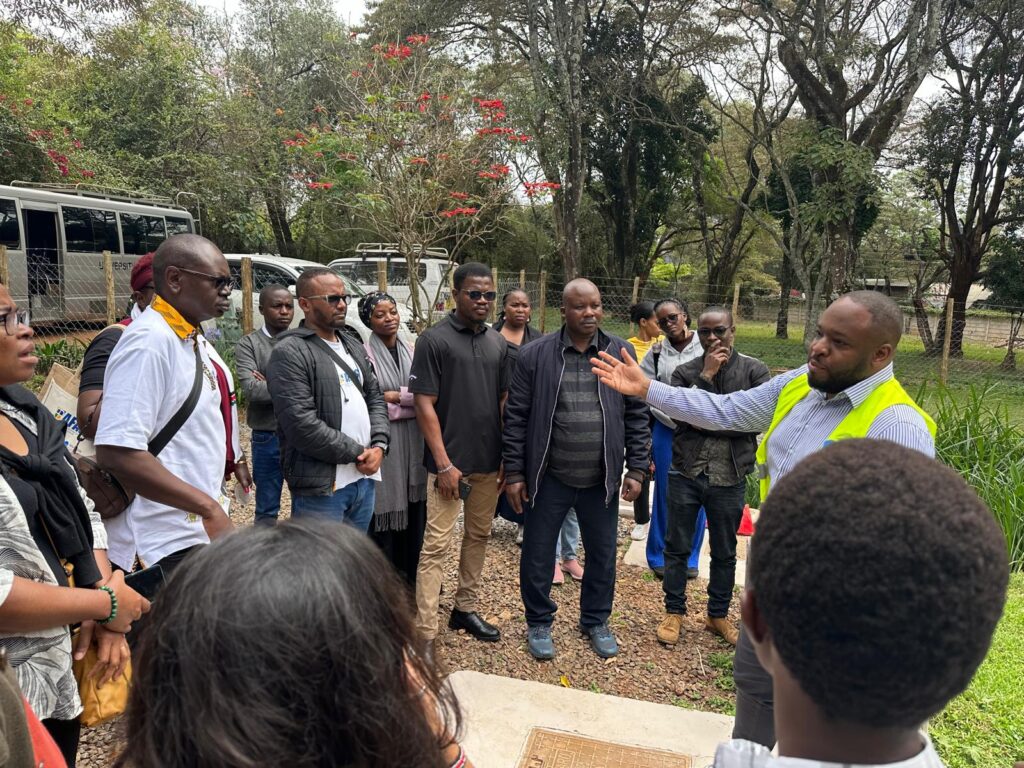
AFAS staff and students visiting Omiflo Biocenter in Nairobi

Day 5 – 17th October 2025

The final day of the workshop was dedicated to field excursions, giving the students a hands-on experience of Nature-based Solutions in action. The team first visited Omiflo Biocenter, where energy- and chemical-free plant-based biotechnology is used to treat wastewater and produce clean water. This was followed by a tour to Kitamu Farm, to observe sustainable farming practices and livestock management that support food production and ecosystem restoration.

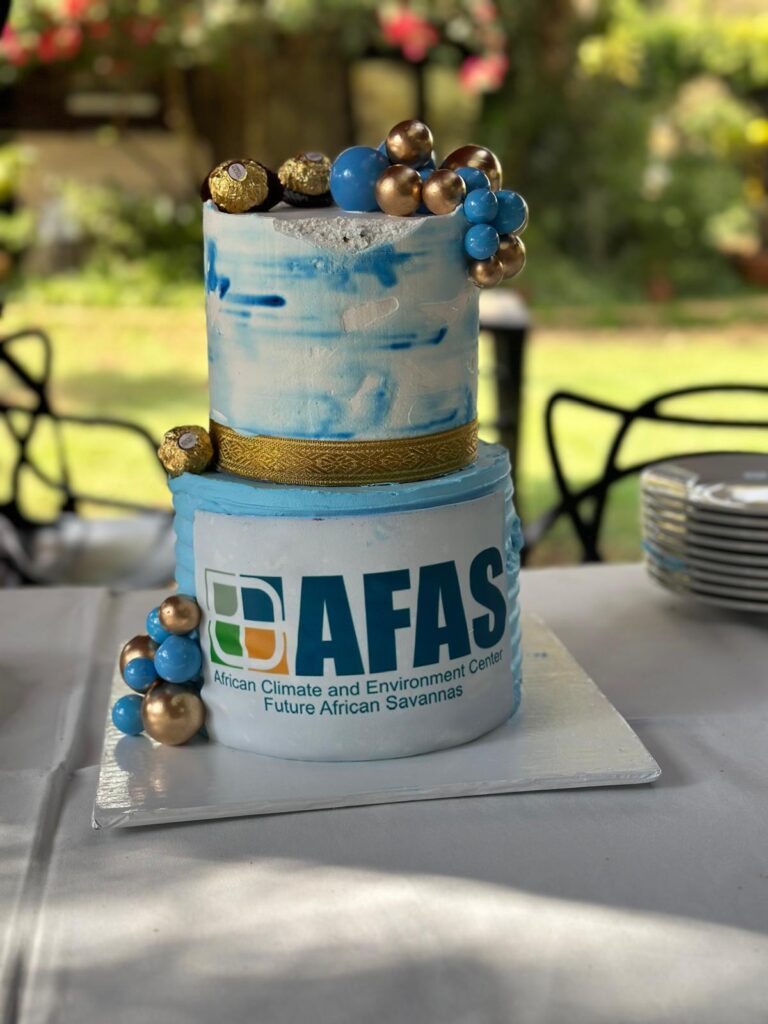
The week concluded with an AFAS group lunch, where participants reflected on lessons learned from AFAS Phase 2, discussed reporting outcomes, and joined in a celebration marking both the end of the dissemination week and the successful completion of the programme for some students.

AFAS celebration cake marking the conclusion of the Knowledge Exchange Week and the successful completion of the programme for some students

© Photos by: Steve Warui Photography; AFAS/Esther Juma