AFAS at the DAAD Global Centres Symposium 2026: “Bridging the Gap: Knowledge, Policy and Practice for Climate-Resilience and Sustainable Development”
September 29, 2026 - October 1, 2026 Berlin
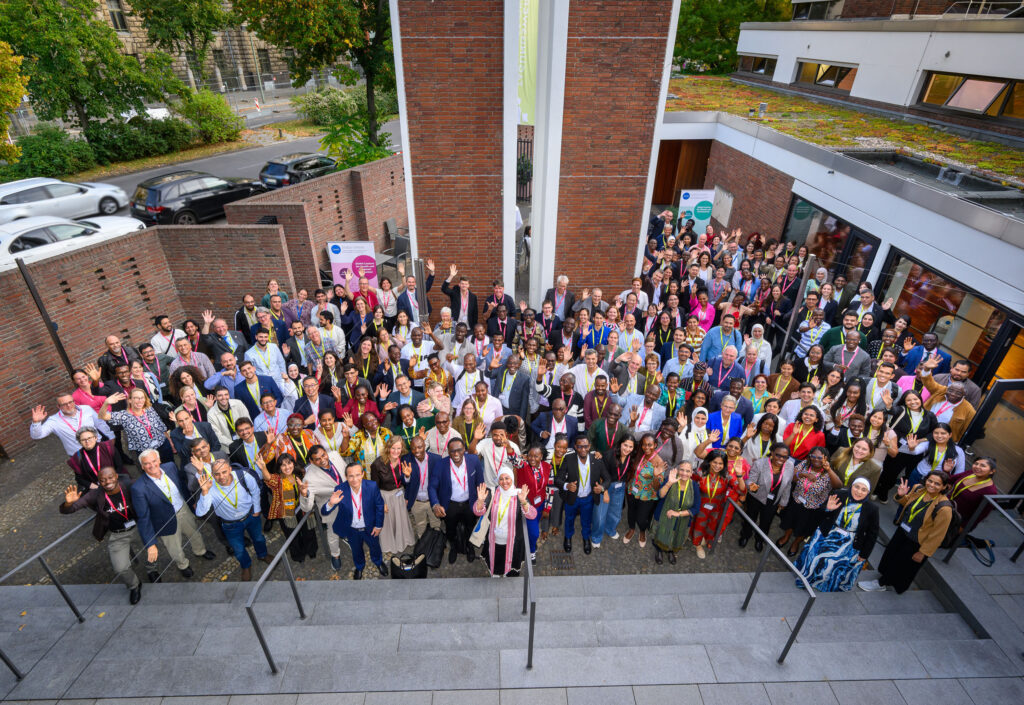
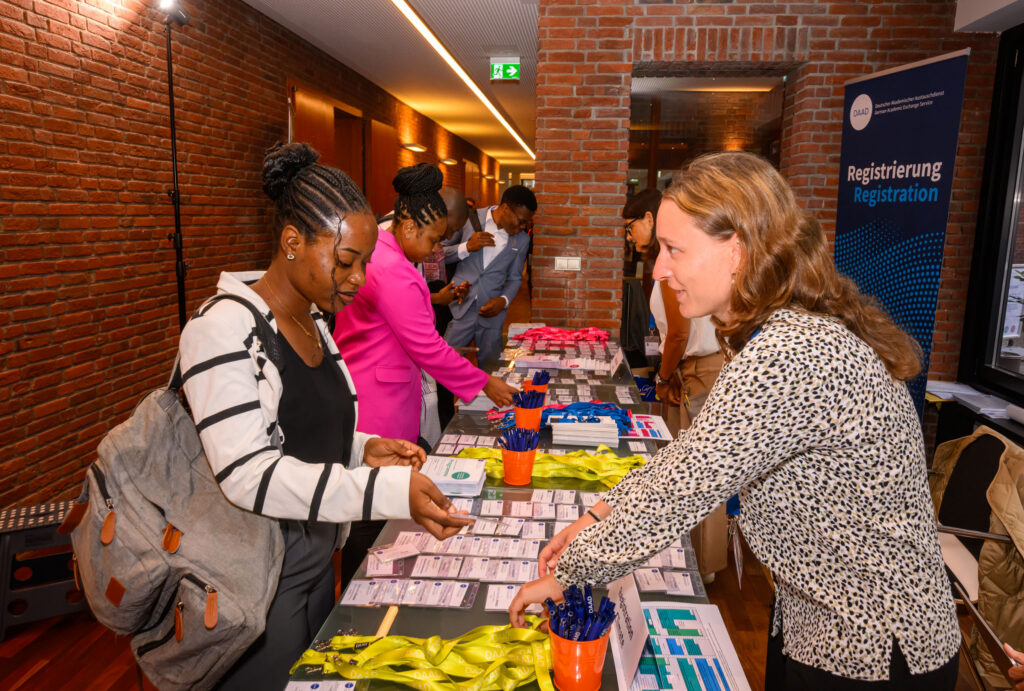
From September 29 to October 1, 2026, members of AFAS including staff, fellows, PhD students, alumni and stakeholders participated in the DAAD Global Centres Symposium in Berlin, Germany.
Organised by the German Academic Exchange Service (DAAD), the symposium brought together members and partners of the DAAD-funded Global Centres to exchange knowledge, strengthen research collaborations, and explore ways of translating academic research into policy and practice.
As in 2024, the Global Centres for Climate and Environment and the Global Centres for Health and Pandemic Prevention held their symposia simultaneously, with separate thematic programmes and joint sessions that encouraged cross-disciplinary exchange.
The 2026 symposia focused on the following themes:
Global Centres for Climate and Environment: “Bridging the Gap: Knowledge, Policy and Practice for Climate-Resilience and Sustainable Development.”
Global Centres for Health and Pandemic Prevention: “Five Years of Impact, Five Years of Vision: Transforming Knowledge into Practice.”
With a particular emphasis on young scientists, the symposium provided a platform for researchers, practitioners, and alumni to share their work, reflect on the impact of the Global Centres, and discuss approaches to addressing pressing global challenges.
Day 1, September 29 2026
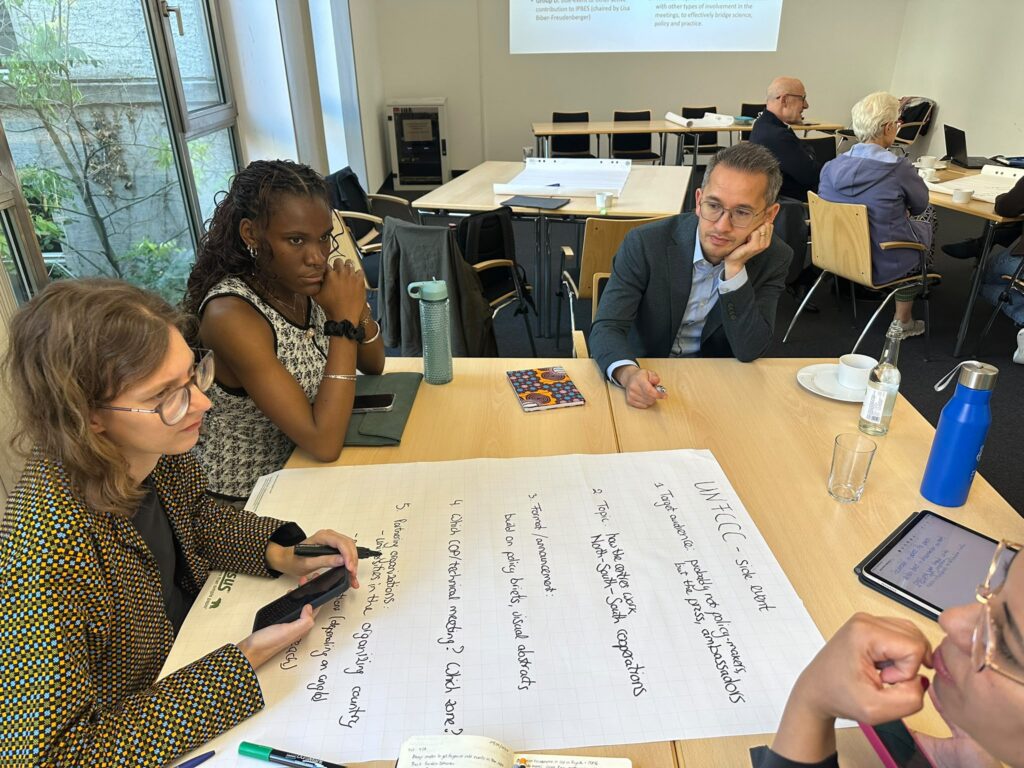
The first day of the Symposium started with two morning workshops by AFAS. “Engagement with UN Processes and COPs for Science, Policy and Practice,” chaired by Dr. Gerda Kuiper, explored opportunities for researchers to engage with international environmental negotiations and translate scientific knowledge into policy action.
The second workshop, “Whose Land, Whose Trees, Whose Rules? Negotiating Equity, Economy and Environment in Nature-Based Solutions,” chaired by Dr. Juliet Kamau, used an interactive negotiation exercise to examine competing interests, power relations and equity in the implementation of nature-based solutions.
Meanwhile, AFAS PhD researchers Jonathan Magala, Joseph Ndiba and Withney Zodan participated in the PhD retreat, engaging in activities supporting their academic and professional development.
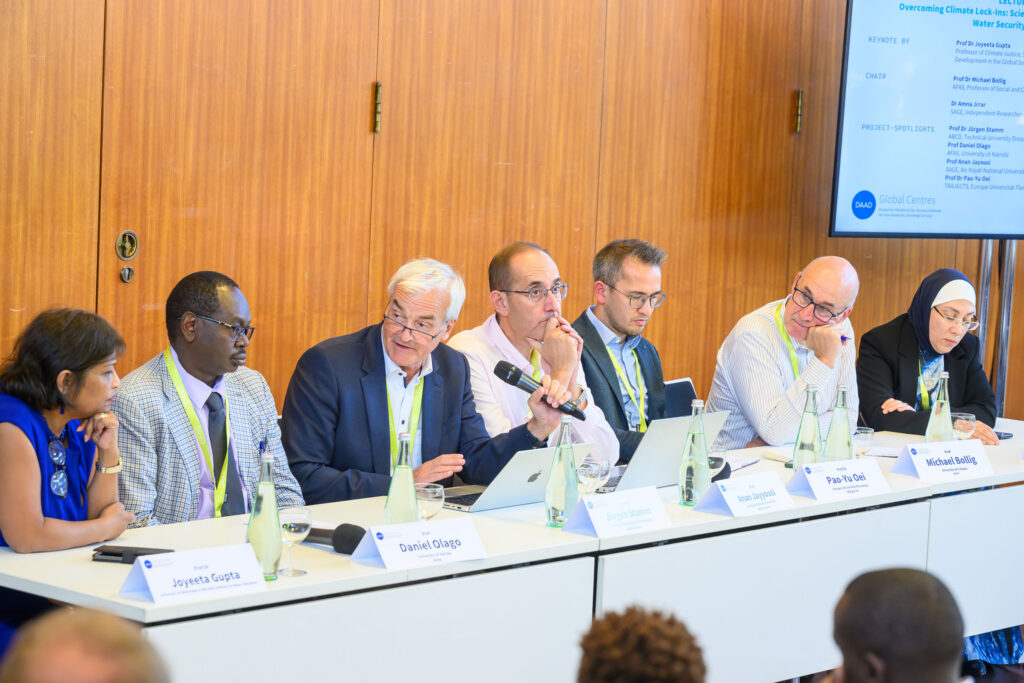
The afternoon keynote, “Overcoming Climate Lock-ins: Science-Policy Collaboration for Energy Transition, Water Security, and Resilient Ecosystems”, was delivered by Prof. Dr Joyeeta Gupta (University of Amsterdam) and chaired by AFAS PI Prof. Dr Michael Bollig from the University of Cologne. The programme also featured an AFAS project spotlight by our PI Prof. Daniel Olago from the University of Nairobi.
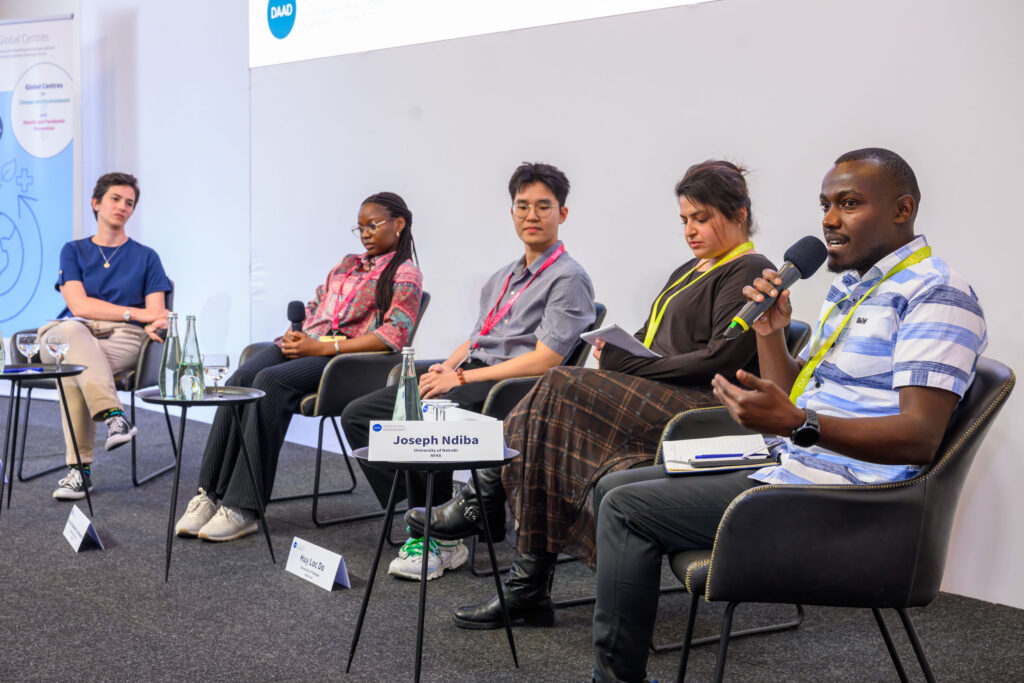
Our PhD student and alumnus, Joseph Ndiba, from the University of Nairobi, joined the Global Centres: Impact and Vision from an Alumni Perspective roundtable. Alumni from different Centres reflected on how their experiences at the centres shaped their careers and enabled them to translate academic research into real-world impact.
We then had opening remarks from Dr Muriel Helbig, Vice President of the German Academic Exchange Service (DAAD), and Christina Beinhoff of the Federal Foreign Office. The opening brought together participants from both the Global Centres for Climate and Environment and the Global Centres for Health and Pandemic Prevention to reflect on the role of research in addressing global challenges.
AFAS workshop on “Engagement with UN Processes and COPs for Science, Policy and Practice,”
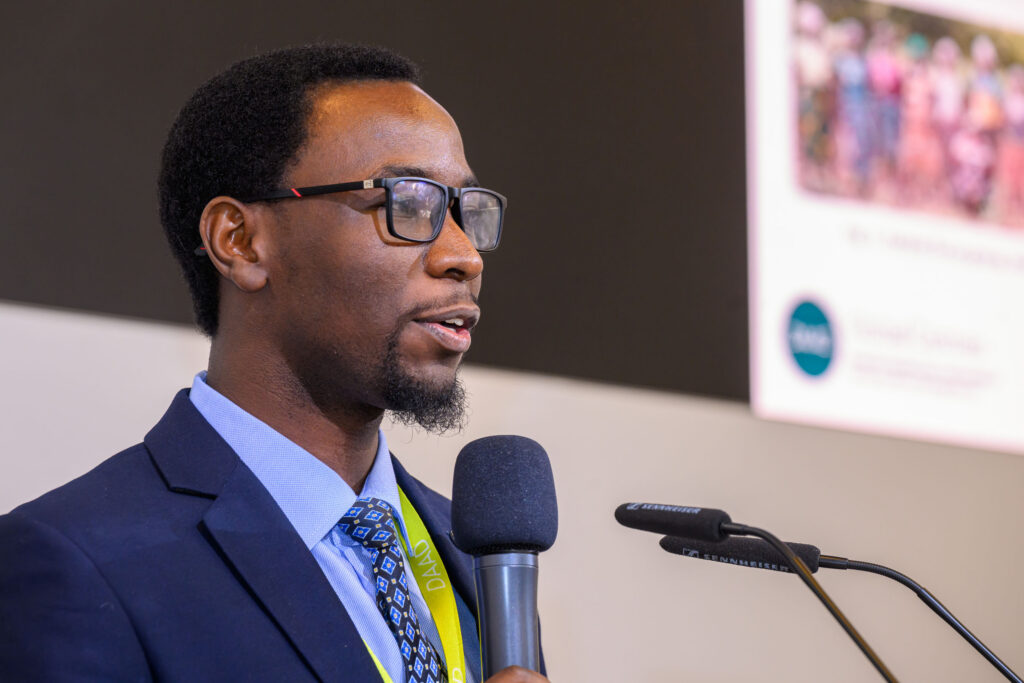
AFAS alumnus Joseph Ndiba, sharing his experiences during the Global Centres: Impact and Vision from an Alumni Perspective roundtable.
AFAS PIs Prof. Dr Michael Bollig and Prof. Dr Daniel Olago during the keynote session
Day 2, September 30 2026
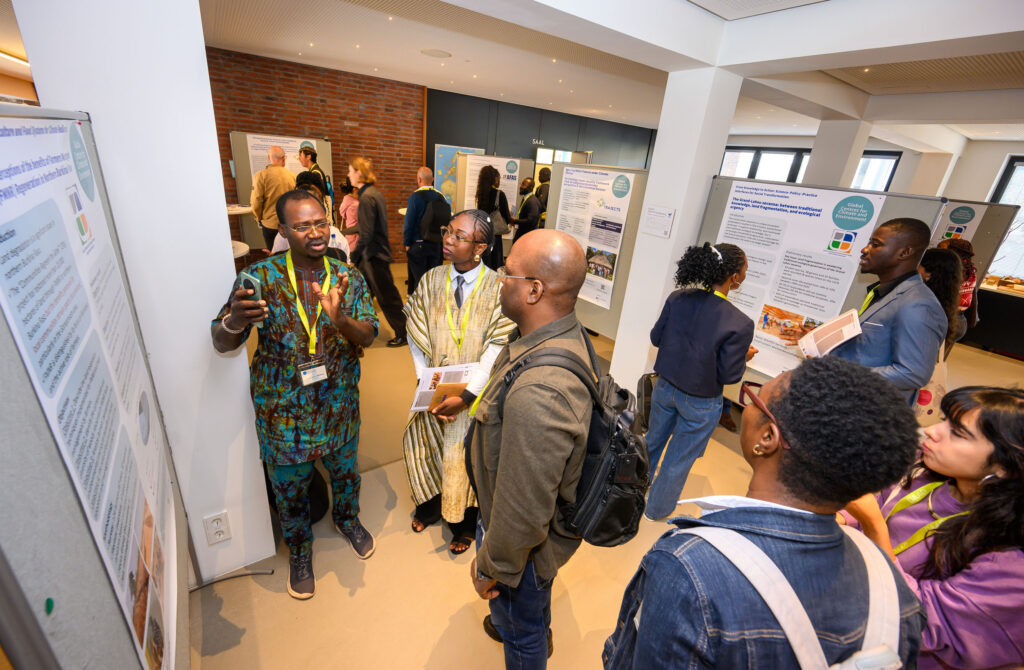
Day 2 of the DAAD Global Centres Symposium highlighted the diversity of research emerging from the Centres, with AFAS alumni and researchers presenting their work during the Poster Talks and Poster Walk.
The presentations explored a range of themes, including wildlife conservation, climate-resilient agricultural systems, traditional ecological knowledge, agroforestry, women’s agency in conservation, and nature-based solutions for urban flood management.
AFAS alumnus, Jonathan Magala, presenting his research
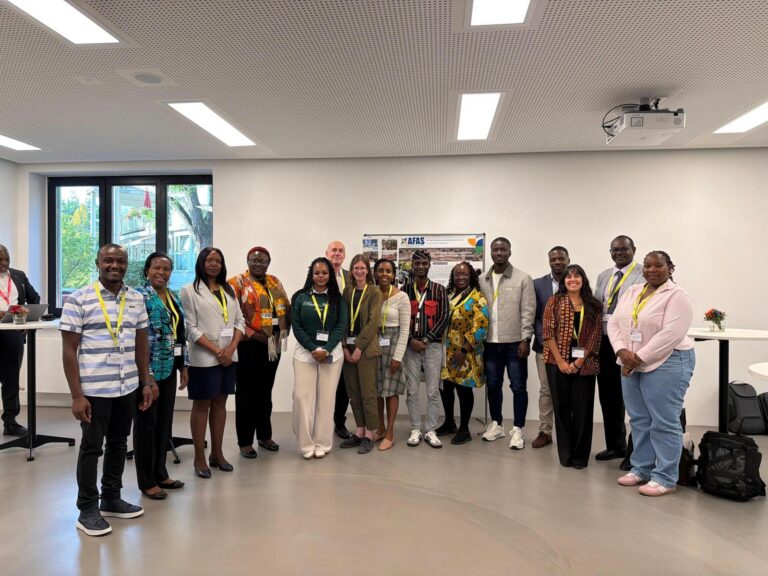
AFAS alumni showcasing their research posters
Following the three-minute poster pitches, presenters engaged with fellow researchers and participants in discussions and Q&A sessions, creating opportunities to exchange ideas, receive feedback and strengthen research connections.
In the afternoon, the plenary session “From Santa Marta to the Global Stage: Coalition-Building in a Socio-Technical Unstoppable Transition” explored pathways towards a just transition away from fossil fuels. Chaired by Grace Quiceno Soto of TRAJECTS, the discussion focused on the role of scientists in policy engagement, the meaning of justice for communities in the Global South, and the importance of aligning local priorities with global climate goals.
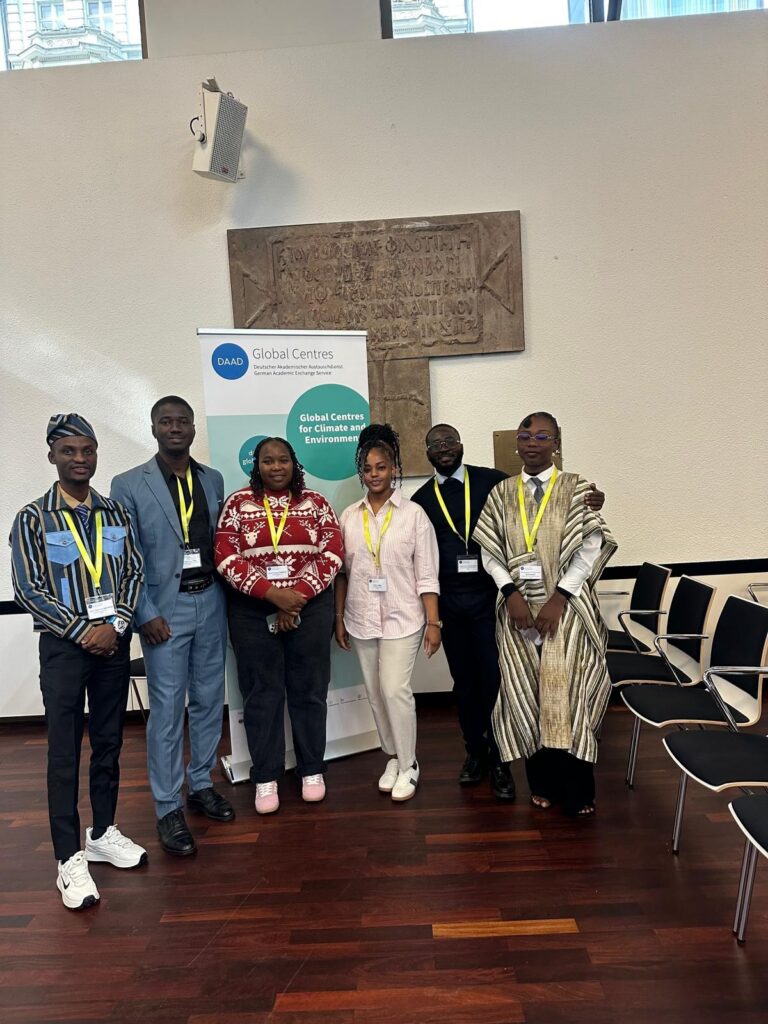
AFAS alumni who participated in the Poster Talks Session
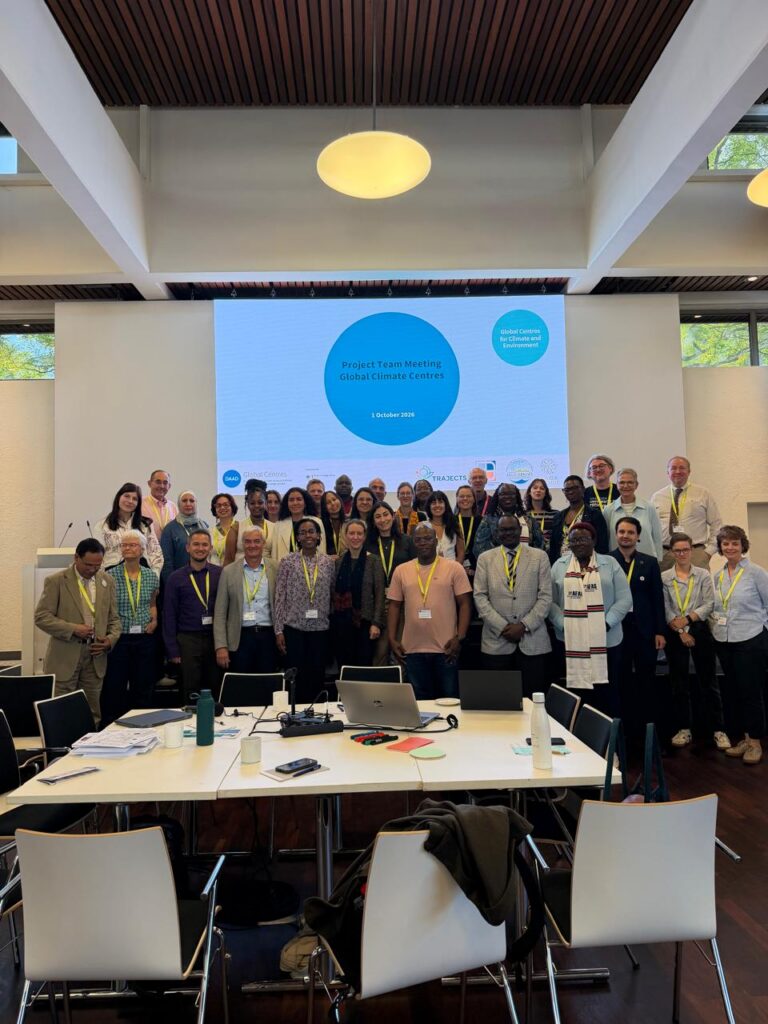
Project Teams from the Climate Centers
Day 3 – October 1 2026
The final day of the DAAD Global Centres Symposium focused on researcher development and collaboration. AFAS PhD researchers participated in sessions on scientific writing and communication, led by Theodor Best, and PhD project management, led by Andrea Perino. These sessions provided practical insights to support effective scientific communication and the successful planning and management of doctoral research.
The day also brought together the project teams from all the Climate Centres for a joint meeting, providing an opportunity to exchange updates, reflect on ongoing activities and strengthen collaboration across the Centres.
AFAS PhD student, Withney Zodan
The symposium concluded with a renewed focus on building research capacity, fostering partnerships and translating knowledge into action for climate-resilient and sustainable futures.
For AFAS, the symposium was an opportunity to showcase research on African savannas, climate resilience, conservation and nature-based solutions, while contributing to broader discussions on science–policy–practice collaboration and sustainable development. It also provided a valuable platform for AFAS PhD researchers and alumni to connect with peers from other Global Centres and fellow researchers, exchange ideas and explore opportunities for future collaboration.